Our Lab Grown Diamonds Diaries
Table of ContentsThe Main Principles Of Lab Grown Diamonds Little Known Questions About Lab Grown Diamonds.Things about Lab Grown Diamonds9 Simple Techniques For Lab Grown Diamonds
As you take a trip closer to the Earth's core, stress and temperature rise, which produces the excellent stove for carbon to be converted into diamond (rubies are the only gemstone to be made from simply one element). Through a large volcanic eruption, these rubies were carried to the Planet's surface. It's approximated this procedure was fairly fast (most likely throughout several hours), which allowed the rubies to stay undamaged without melting.The short answer: carats determine the mass of stones, karats gauge the pureness of gold. Carat weight: 1 carat weight amounts to 0.2 grams, regarding the weight of a paperclip (next time you see a picture of Mariah Carey's 35 carat interaction ring, simply think of the problem of bring 35 paper clips around your finger daily).
:max_bytes(150000):strip_icc()/BRI-Lab-Grown-Diamonds-Graphic-d9ca3ef795964c45877ff39d82f8d679.jpg)
Here are a few of the essential advantages of laboratory grown diamonds and laboratory produced diamond jewelry:.
8 Easy Facts About Lab Grown Diamonds Shown
Place just, natural or earth-mined diamonds are crafted over millions of years below the Earth's crust from pure carbon incorporated with stress and heat. Producing diamonds in a laboratory requires the same procedure, simply fine-tuned to happen over a much smaller sized time structure in a far more regulated setting.
Whereas earth-mined diamonds are uncommon and finite and have a tendency to raise in price over time, lab diamonds are easily offered., like lab-grown diamond rings, they will not be a good fit for your needs.
They might assume that the cons of lab-grown rubies surpass the pros. Some may say that, for this factor, buying a lab-made diamond additionally comes with its ethical considerations, as doing so takes income away from those included in the all-natural diamond market that might need it most.
Traditional diamonds rely on the Planet's conditions to website identify their high quality or lack thereof. In a laboratory, suppliers can directly manage a ruby's high quality.
What Does Lab Grown Diamonds Do?
You can quickly find colored, synthetic rubies on the (reasonably) cheap side in addition to details cuts that would be pricier if you were going shopping for a mined diamond only. As mentioned, not every insurance coverage will certainly shield your lab-grown diamond That barely means it isn't worth shielding. Our extensive insurance coverage shields you under numerous regrettable conditions, from mysterious loss to burglary.
natural rubies is that the last is extracted from natural deposits in the Earth while the former is made in a lab using regulated settings. Their top quality is mainly the very same. While the distinction in between lab-grown and natural diamond choices are very little when it pertains to high quality, several of the drawbacks of lab-grown rubies consist of the truth that the rock will certainly drop over time and, to some, a lack of emotional worth that's commonly associated with mined diamonds
This expense distinction can be attributed to the streamlined manufacturing process and the avoidance of expenditures connected with standard mining. The Controlled Environment in Which Laboratory Grown Diamonds Are Created Enables for Consistent Quality.
Adaptability in Design - Lab Grown Diamonds Offer Designers and Consumers a Versatile Palette to Produce Special and Ingenious Fashion Jewelry Layouts - Lab Grown Diamonds. Laboratory Rubies Typically Come with A More Transparent Supply Chain.
Not known Details About Lab Grown Diamonds
Market Understanding - Despite Their The Same Physical Features, Laboratory Diamonds Might Face Challenges in Market Assumption. Some Customers Still Perceive Natural Diamonds as Having Higher Value and Status. The Manufacturing of Lab-Grown Diamonds Can Be Energy-Intensive, Specifically in Approaches Like High Pressure Heat (hpht) and Chemical Vapor Deposition (cvd).
Natural Rubies Are Formed Over Millions of Years Deep Within the Planet, Adding to Their Perceived Rarity. Lab-Grown Diamonds, Regardless Of Their Identical Quality, May Not Bring the Same Rarity Factor, Impacting Their Regarded Value for Some Customers. Effect on Diamond-Dependent Economic Climates - the Change Towards Laboratory Grown Diamonds May Have Economic Ramifications for Countries and Communities that Depend Upon The Ruby Mining Sector.
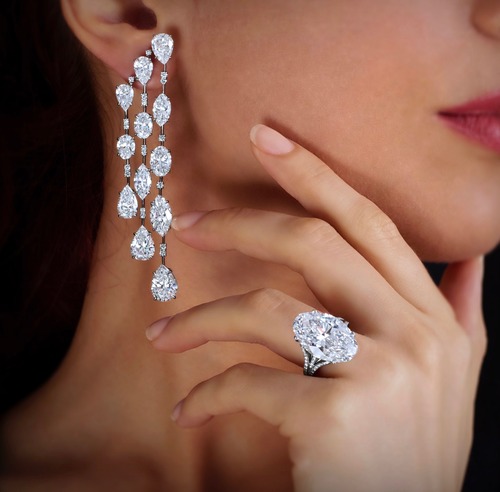
Laboratory Diamonds Are of Equal Quality to Natural Diamonds in Terms of Solidity, Luster, and Clarity - Lab Grown Diamonds. Yes, Laboratory Diamonds Shimmer Just Like All-natural Diamonds. Their Luster and Sparkle Are an Outcome of Their Cut and The Means Light Connects with Their Elements.